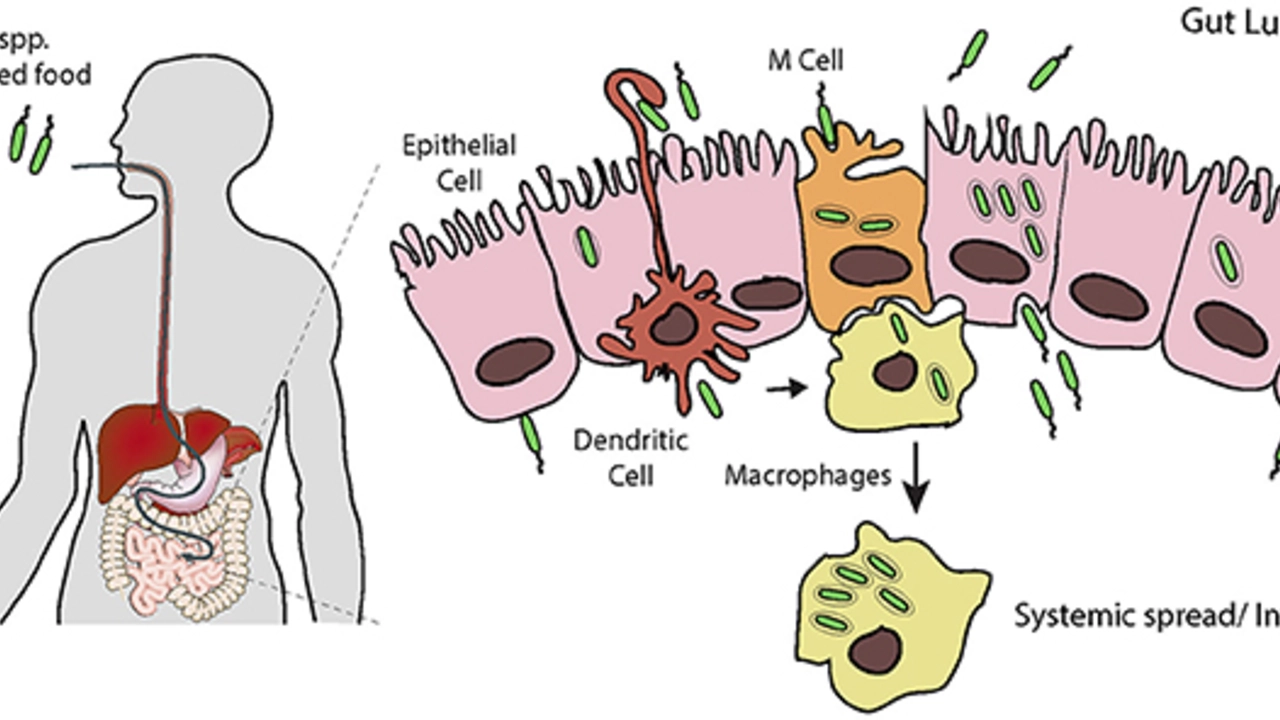
Ever wonder why a tasty chicken dinner can sometimes end with a night of stomach cramps? That’s often salmonellosis, a food‑borne illness caused by Salmonella bacteria. It’s not rare – millions of cases pop up worldwide each year – but most people can dodge it with a few common‑sense habits.
Salmonellosis is an infection you get when you swallow food or water contaminated with Salmonella. The bacteria live in the intestines of animals, especially poultry, eggs, and reptiles. If those foods aren’t cooked properly or you cross‑contaminate surfaces, the germs can jump onto your plate.
Typical symptoms show up 6‑72 hours after exposure and include:
Most healthy adults feel better in a week without needing antibiotics. Kids, the elderly, and people with weak immune systems can get sicker, sometimes needing medical care.
Prevention starts in the kitchen. Cook chicken, turkey, and other meats to an internal temperature of at least 165 °F (74 °C). Use a food thermometer – visual cues can be misleading.
Don’t eat raw or undercooked eggs. When recipes call for them uncooked (like homemade mayo or Caesar dressing), use pasteurized eggs instead. Keep raw meat away from ready‑to‑eat foods and wash your hands, cutting boards, and knives with hot, soapy water after handling raw products.
If you’ve got a pet reptile, wash your hands after touching it or its enclosure. Reptiles are a surprisingly common source of salmonella.
When symptoms hit, stay hydrated. Water, clear broths, or oral rehydration solutions help replace lost fluids and electrolytes. If you’re dealing with severe diarrhea, a fever above 102 °F, or you belong to a high‑risk group, see a doctor. They may prescribe antibiotics, but unnecessary use can fuel resistance, so doctors reserve them for serious cases.
For most folks, the best “treatment” is rest, fluids, and time. Over‑the‑counter anti‑diarrheal meds might slow down toxin removal, so use them only if a healthcare professional says it’s safe.
Remember, salmonellosis is mostly preventable. Simple steps – cooking foods fully, keeping kitchens clean, and being cautious with eggs and reptiles – cut the risk dramatically. If you ever feel unsure about a food’s safety, it’s better to toss it than to gamble with your health.
Got more questions about food‑borne illnesses? Our resource library covers other common infections, safe buying tips for medicines, and how to spot reliable pharmacy sites. Stay informed, stay healthy.
Hey there, everyone! This is your friendly foodie, ready to fill you in on the crucial connection between salmonellosis and foodborne diseases. From the depths of the pathogenic world, we will explore the dangers lurking in improperly handled and cooked foods. It's all about staying informed to keep our bodies safe and at ease. So, join me as we dive into this topic and unlock the secrets of food safety, together!