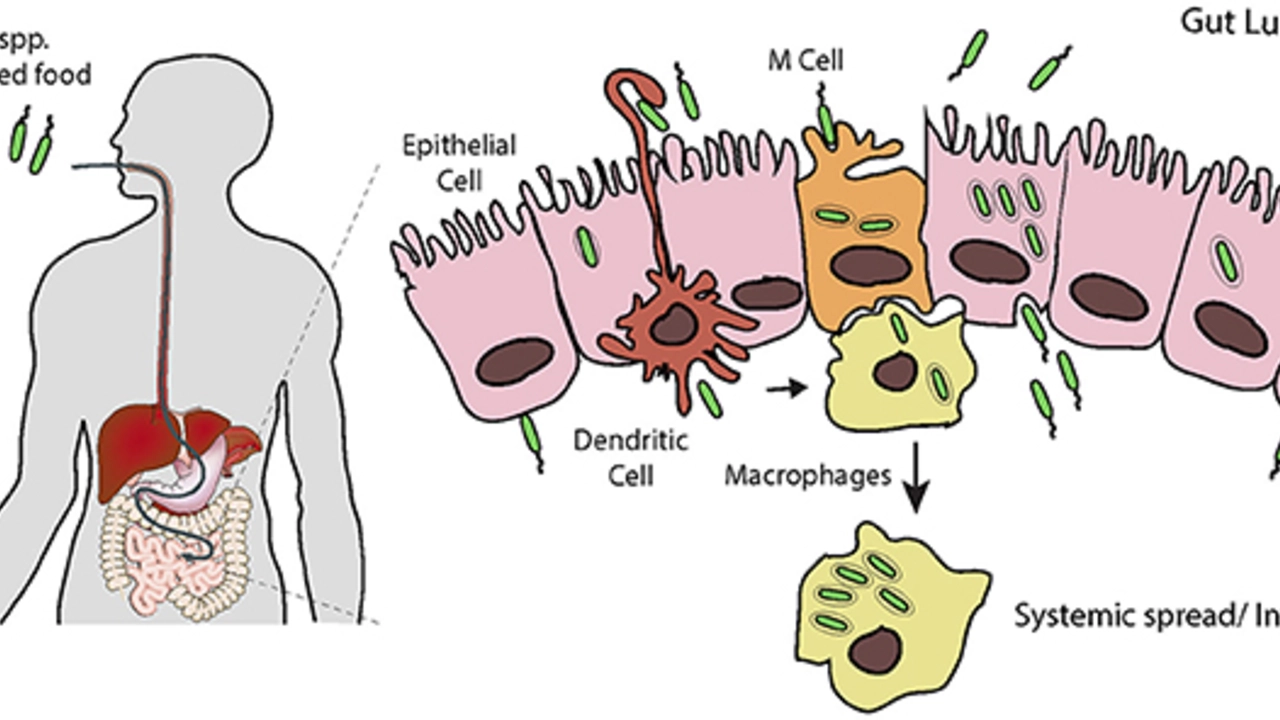
Ever gotten a stomach cramp after a bite of sushi or a piece of undercooked chicken? Chances are you experienced a foodborne disease. It’s any illness you catch from eating contaminated food, and it can hit anyone, anywhere. While most cases are mild and pass in a day or two, some can be serious, especially for kids, seniors, and people with weak immune systems. Knowing the signs, the usual culprits, and how to protect yourself can turn a nasty surprise into a manageable situation.
Foodborne illnesses usually start with bacteria, viruses, or parasites that get into food at any point—from farm to fork. The most frequent bacterial offenders are Salmonella, E. coli, and Listeria. Viruses like norovirus spread easily in crowded places, while parasites such as Giardia show up in untreated water or raw produce.
Typical symptoms show up within a few hours to a couple of days after eating the bad food. Look for nausea, vomiting, diarrhea, abdominal cramps, and sometimes fever. If you notice blood in your stool, severe dehydration, or a fever above 101°F, it’s time to seek medical help. Most healthy adults recover without medication, but staying hydrated and resting are key.
The good news is you can cut the risk dramatically with a few simple habits. First, always wash your hands with soap for at least 20 seconds before handling food, after using the bathroom, and after touching pets. Second, keep raw meat, poultry, and seafood separate from ready‑to‑eat items in the fridge and on cutting boards—cross‑contamination is a major trigger.
Cook foods to the right temperature: 165°F (74°C) for poultry, 160°F (71°C) for ground meats, and 145°F (63°C) for whole cuts of beef, pork, and fish. Use a food thermometer; guessing isn’t enough. Chill perishables promptly—don’t leave cooked dishes at room temperature for more than two hours, or one hour if it’s hotter than 90°F (32°C).
When you’re buying groceries, check expiration dates and look for any signs of spoilage—off smells, slimy texture, or discoloration. For produce, rinse under running water even if you plan to peel it. In the case of canned goods, avoid any that are bulging, dented, or leaking.
If you travel abroad, be extra cautious with street food. Stick to foods that are hot, freshly cooked, and served on clean plates. Drink bottled or boiled water, and avoid ice unless you’re sure it’s made from safe water.
By following these steps, you’ll protect yourself and your family from most foodborne diseases. Remember, the goal isn’t to become a food‑science expert—it’s to build a handful of reliable habits that keep the nasty bugs out of your meals. Stay aware, stay clean, and enjoy your food without fear.
Hey there, everyone! This is your friendly foodie, ready to fill you in on the crucial connection between salmonellosis and foodborne diseases. From the depths of the pathogenic world, we will explore the dangers lurking in improperly handled and cooked foods. It's all about staying informed to keep our bodies safe and at ease. So, join me as we dive into this topic and unlock the secrets of food safety, together!