Folic acid, also called folate or vitamin B9, helps your body make new cells and DNA. When you don’t get enough, you can end up with folic acid deficiency. This condition can show up as fatigue, pale skin, or even more serious problems if you ignore it.
People often think a deficiency is rare, but certain groups are more likely to run low on folate. Pregnant women need extra folic acid to prevent birth defects, so a shortage can be dangerous for both mom and baby. Kids who grow fast, people with poor diets, and those who drink a lot of alcohol also face higher risk.
The symptoms can be subtle at first. You might feel unusually tired, have a sore tongue, or notice rapid heartbeats. Some folks get headaches, trouble concentrating, or feel short of breath after mild activity. In severe cases, the skin can turn a light yellowish color, and the immune system weakens, making infections more common.
The easiest way to find out if you’re deficient is a simple blood test. Your doctor will check the level of folate in your blood and may also look at other B‑vitamin levels to rule out related issues.
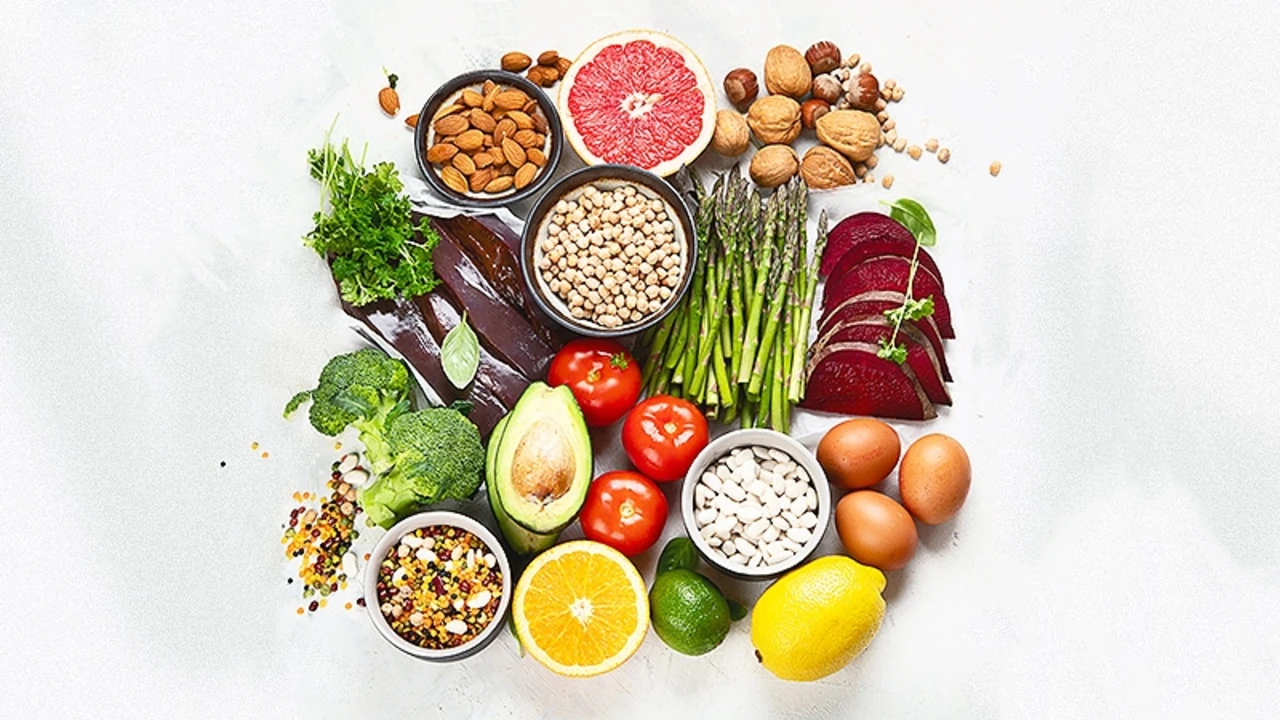
Fixing the deficiency usually starts with diet. Dark leafy greens like spinach and kale are packed with folate. Add beans, lentils, and peas to meals for an extra boost. Whole‑grain breads, fortified cereals, and citrus fruits also help raise your folate intake.
If diet alone isn’t enough, supplements are an option. A standard folic acid tablet contains 400‑800 µg, which covers most adult needs. Pregnant women often take a prenatal vitamin that includes higher folic acid doses (usually 600‑800 µg) to protect the baby’s development.
Remember that certain medicines, like some seizure drugs and methotrexate, can lower folate levels. If you’re on those, talk to your doctor about adding a supplement or adjusting your dosage.
It’s also smart to limit alcohol, because it interferes with how your body uses folate. Even moderate drinking can keep you from absorbing enough of the vitamin.
Once you start eating folate‑rich foods and, if needed, taking a supplement, most people feel better within a few weeks. Energy returns, the tongue heals, and blood counts improve. Keep an eye on your diet to stay ahead of a repeat deficiency.
In short, folic acid deficiency is easy to spot, easy to test, and easy to treat. By loading up on greens, beans, and fortified grains, and adding a supplement when required, you can keep your body running smoothly and protect yourself from long‑term health issues.
Hi there everyone, today, I'm diving into a topic very close to my heart - the role of Vitamin B12 in Megaloblastic Anemia and Folic Acid Deficiency. We'll be exploring how this remarkable vitamin works wonders in addressing these health issues. We'll peek into how adequate intake of Vitamin B12 can help maintain our body's health and why it's so crucial in ensuring red blood cell formation. We'll also delve into how Folic Acid Deficiency can impact us. So, join me on this exciting journey of uncovering these lesser-known facts about our body's essential nutrients!